 Elicker
Next-Gen Readiness Platform
Transforming an underperforming SaaS platform from dysfunction to distinction.
Transforming an underperforming SaaS platform from dysfunction to distinction.
This enterprise SaaS supported large-scale operational readiness across distributed military teams, but fragmented tools, inconsistent workflows, and dense data made status and action difficult to understand. I was brought in to improve the product’s aesthetic, but I proposed a broader transformation of the system structure, workflows, patterns, and information access. The result helped give the platform a clearer foundation and supported a substantial follow-on contract for a related product.
Fragmented systems with inconsistent structure
Complex, multi-step workflows lacking clarity
Dense data presented without clear hierarchy or context
Limited scalability as new requirements were introduced
DISCOVERY
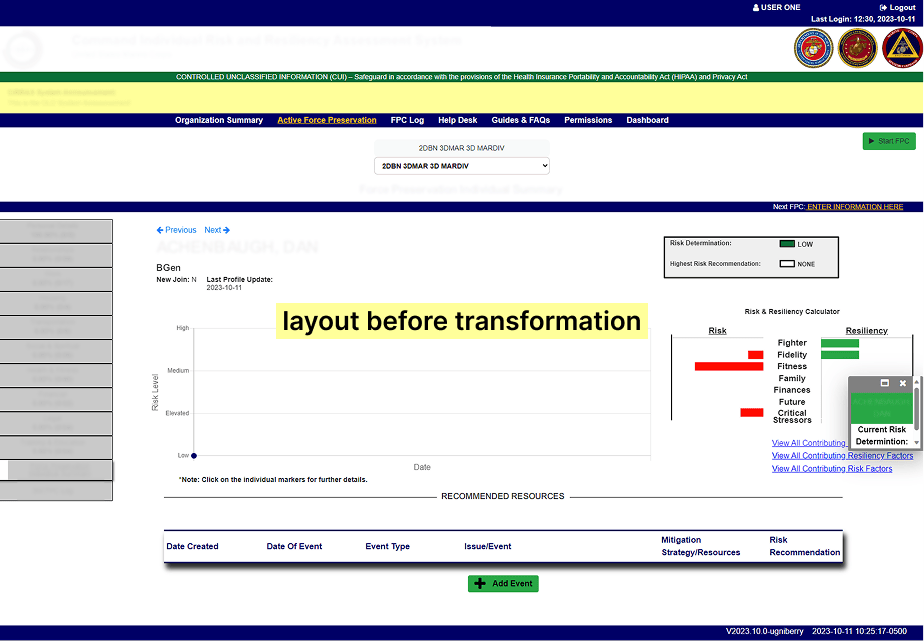
The initial system lacked structure. Roles were unclear, permissions overlapped, and users saw too much while missing key information.
Visual complexity slowed task completion, while fragmented readiness data delayed response and reduced user confidence.
The platform needed clear permission-based visibility, with intuitive tools to enter data, run reports, and communicate effectively.
A role-adaptive, token-driven design system and component framework, scalable for fast production and confident user action.
PLANNING
Following a full audit of the operator demographic and platform data, the system was redefined across two core layers, “operators”, who interact with the platform, and “subjects”, representing service members and their associated data.
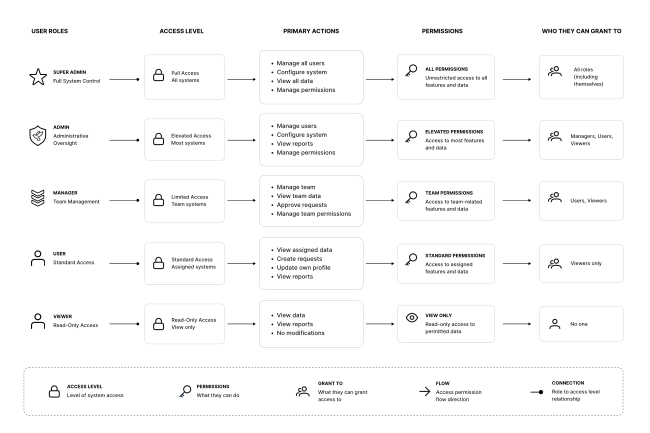
Hierarchy was applied exclusively to the operator layer, reflecting real-world command structures and defining access, visibility, and decision authority. This separation established a clear foundation for how information flows through the system and how decisions are made.
The system was structured around a hierarchical model that mirrors real-world command relationships.
Each layer defines access, visibility, and decision authority, ensuring users only see what’s relevant to their role.
Permissions were granted through the system by roles with appropriate visibility and authority.
Defined the structure and relationships across roles
Shaped how access and visibility work across the system
Reduced confusion by matching permissions to rank responsibilities
Created a scalable access model for future roles and system growth
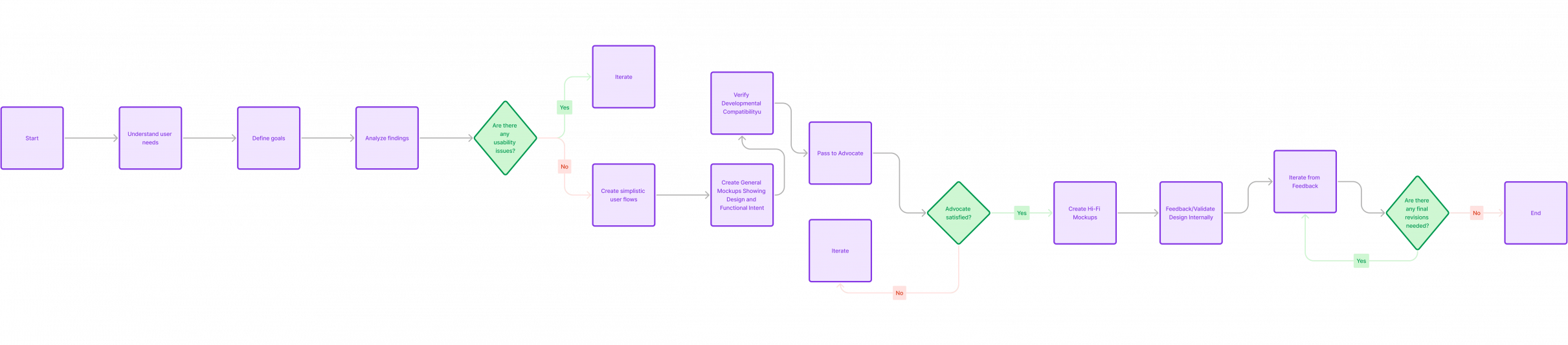
Workflows were reconstructed to reflect real operational scenarios, enabling users to move from awareness to action without friction. Information was surfaced based on role, context, and decision needs, reducing noise while preserving critical signals.
Structured the system around roles and decision-making
Surfaced what matters, without causing overload
Reduced friction by turning complex processes into clear steps
Enabled users to move from signal to decision with little hesitation
IMPLEMENTATION
The interface leveraged an Angular component-driven architecture and Tailwind token-based design structure to support scalability. Reusable UI patterns reduced duplication and improved collaboration between design and engineering.
This foundation enabled the platform to evolve into a cohesive system capable of supporting additional workflows and analytics without increasing complexity.
Figma was used to design platforms and prototype user interactions.
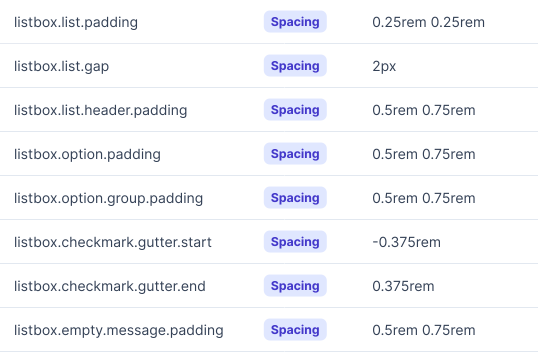
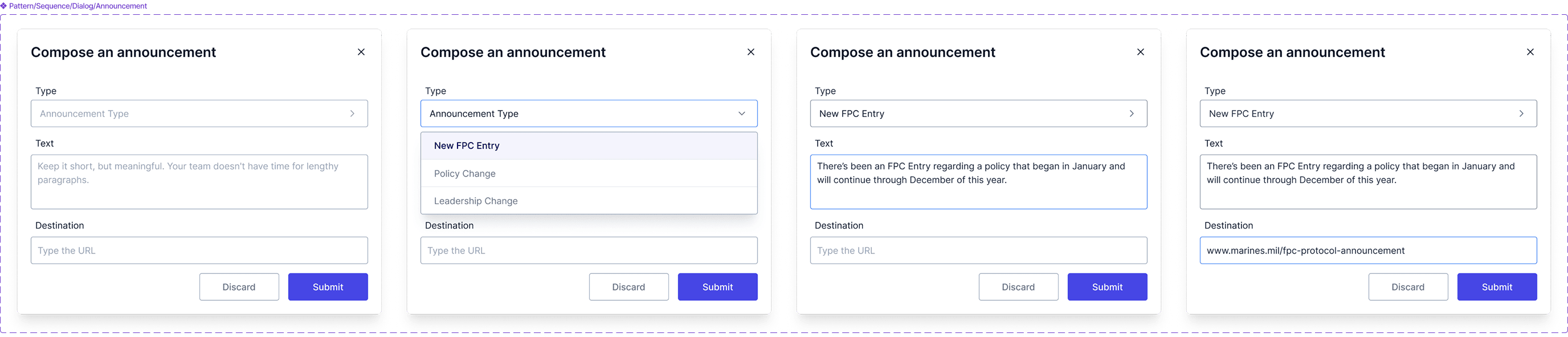
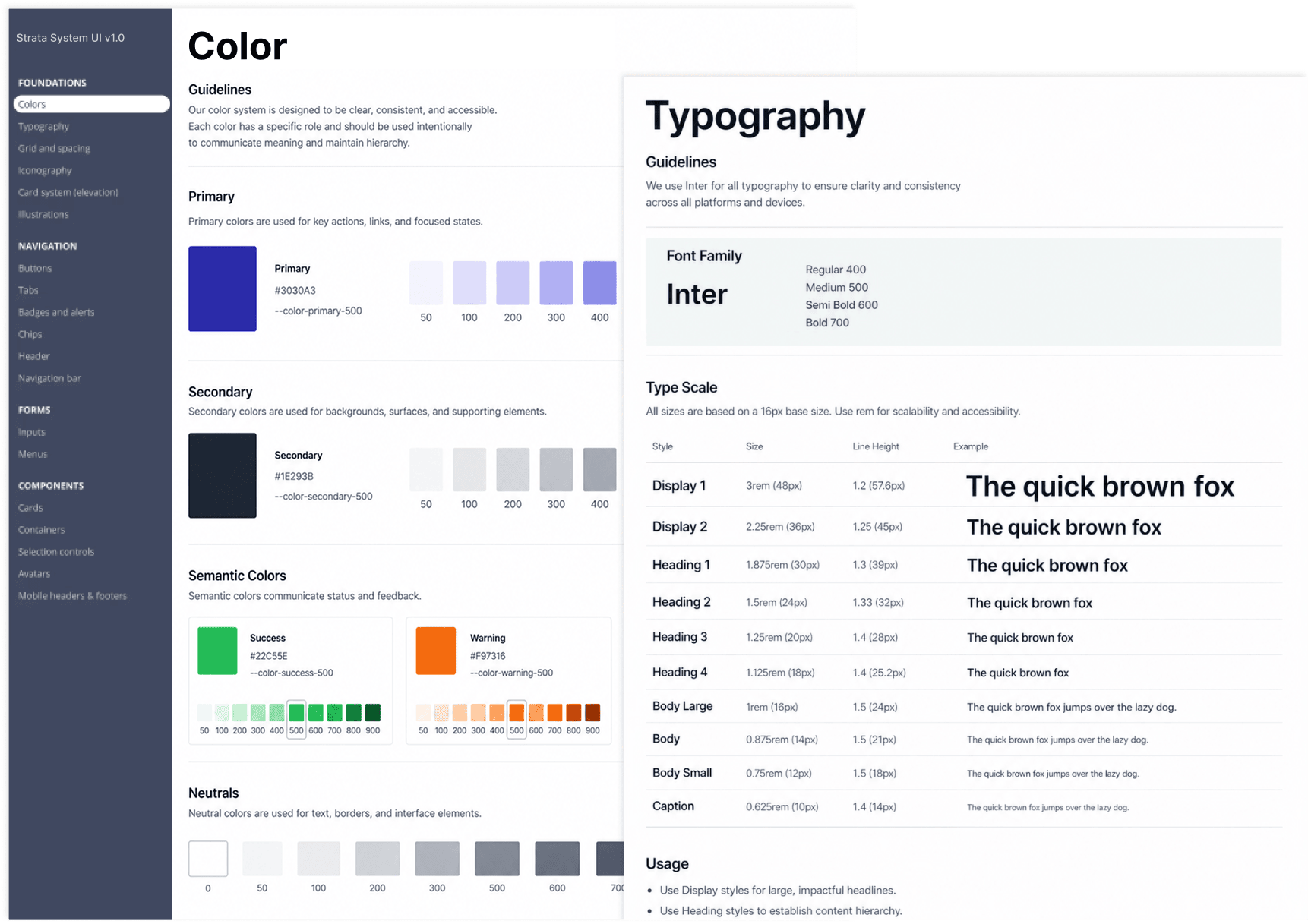
The token-driven design system standardized components, variables, and interaction patterns shared between product designers and engineers. By mirroring variables within a customized Figma project and design kit, the system established a single source of truth, enabling consistent implementation, reducing ambiguity, and significantly improving cross-functional velocity.
Visual requirements were instilled to preserve a skeletal resemblance of the previous product to lessen the need for personnel training. The visual considerations for the user interface needed to legitimize the product, use a familiar modern component structure, and reduce cognitive deficiency for the large group of users interacting with the platform daily.
Bridged design and development through system-aligned architecture
Clearly defined UI patterns reduced implementation ambiguity
Enabled faster builds through reusable components and shared logic
Aligned front-end development with scalable design system principles
OUTCOME
The creation of the system gives the platform a strong foundation for consistency, speed, and long-term growth. Reusable components, a robust UI kit, shared patterns, and clear standards make the product easier to extend, easier to maintain, and more predictable. For users, the system created a coherent and consistent experience, reducing friction, introducing familiar patterns, and making workflows clear, fast, and trustworthy.
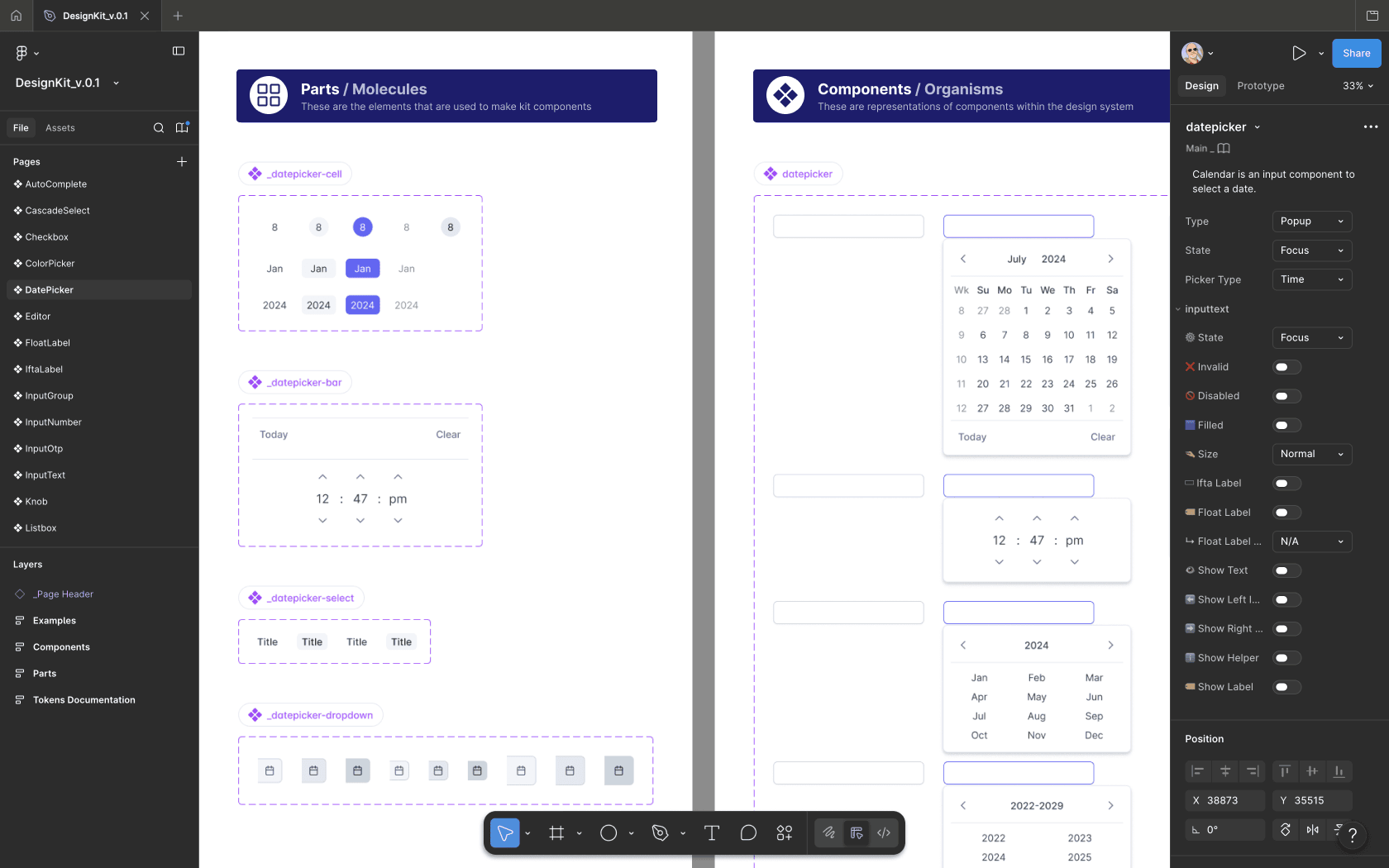
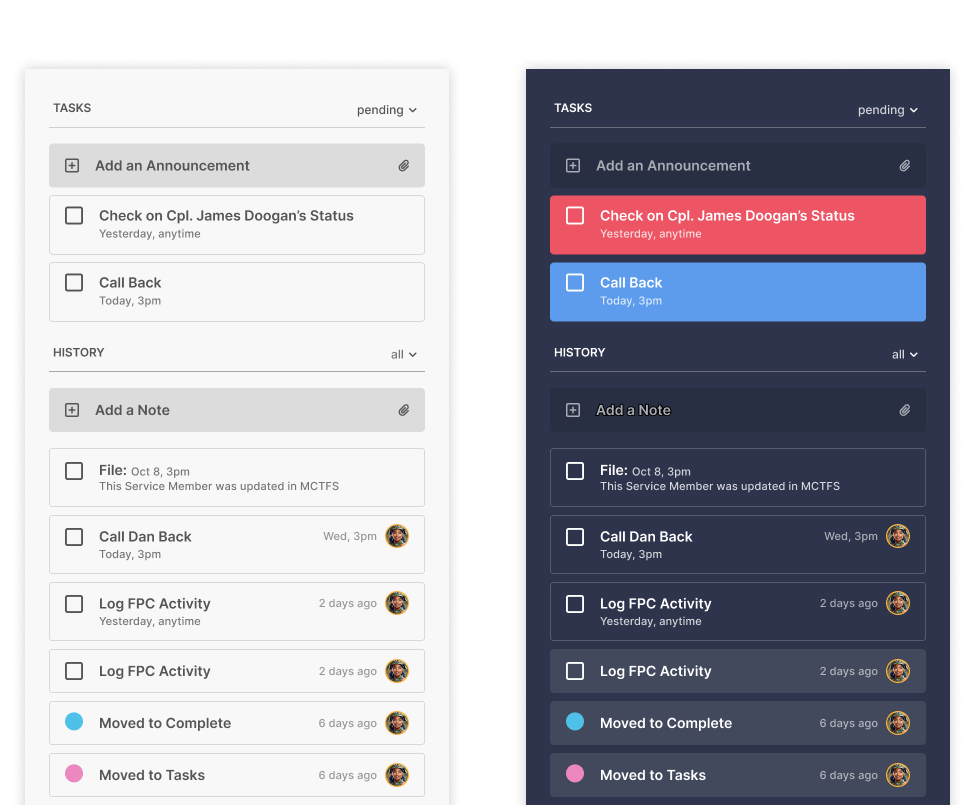
Figma Design Kit
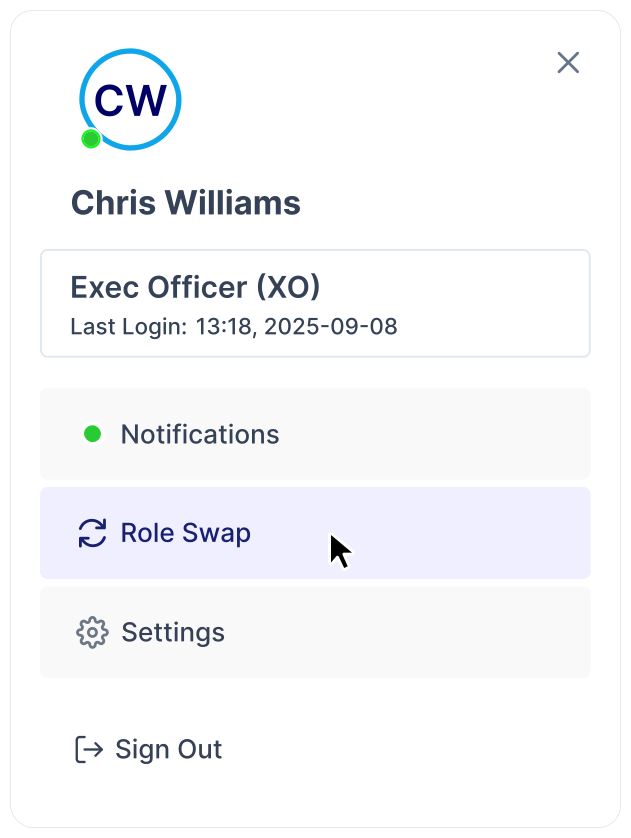
Users can operate across multiple roles, each with distinct permissions. The system dynamically adapts visibility based on context, allowing seamless role-switching without breaking workflow continuity.
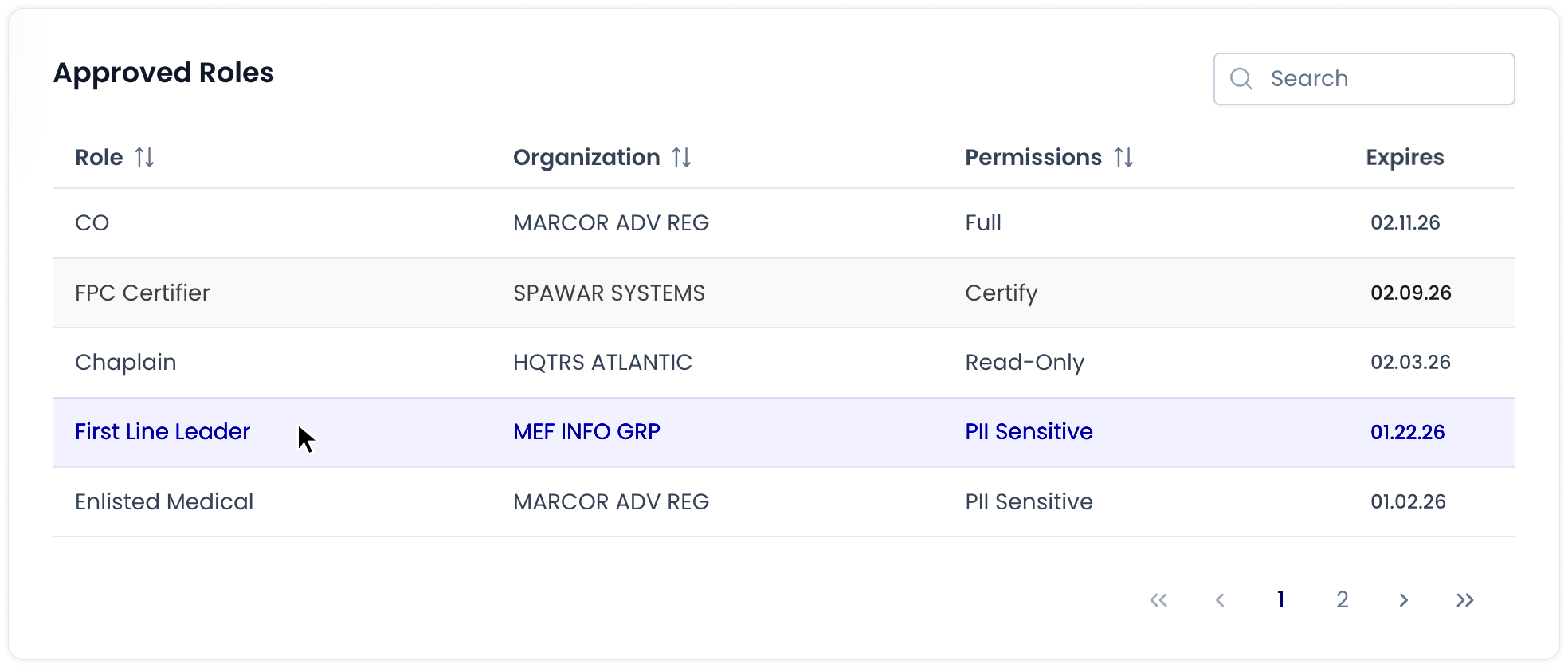
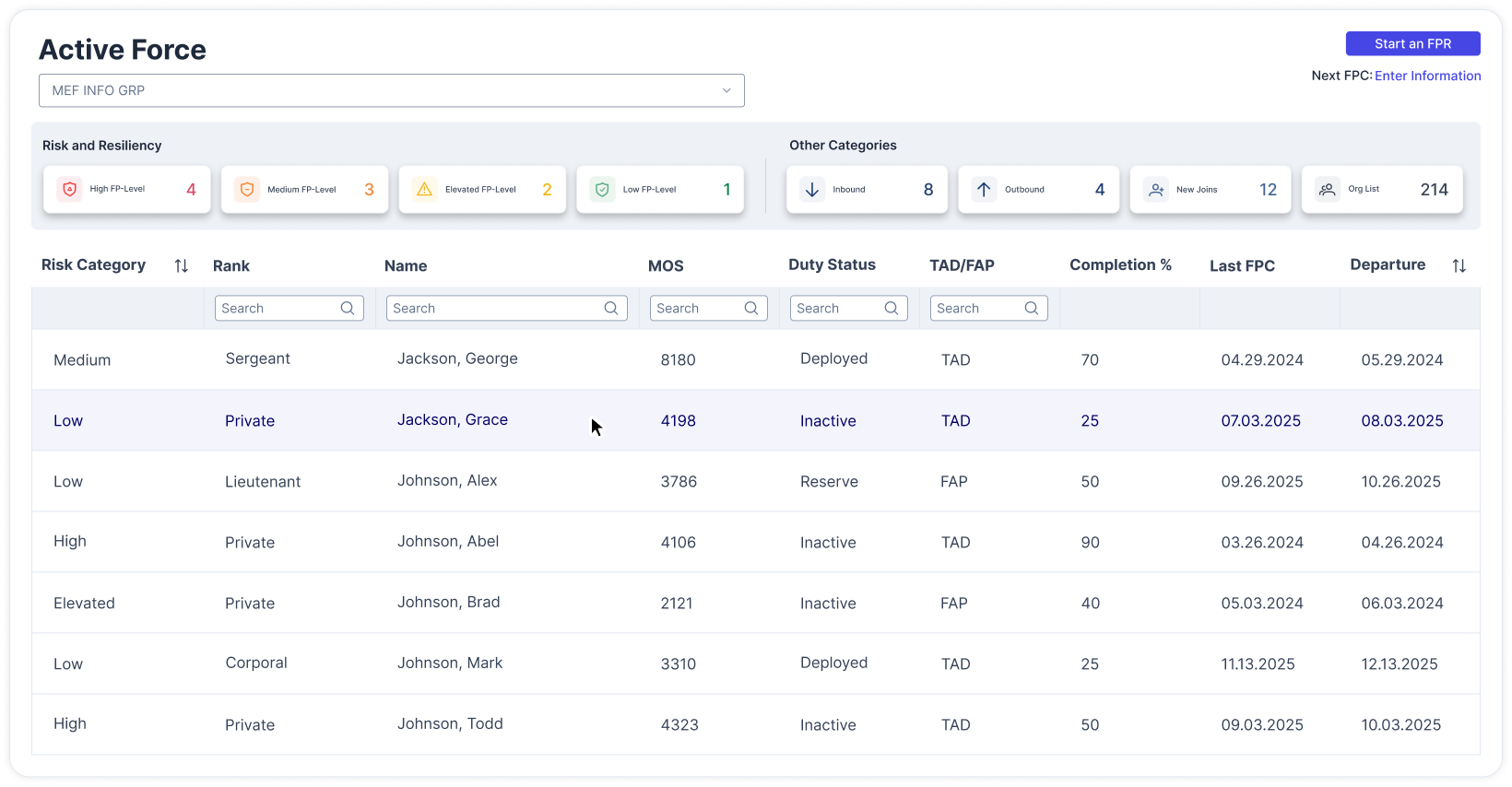
Certain users with high-level permissions were given access to secure information about service members, while some users with a lower-level determination were not.
Access was defined by the type of security needed to complete the tasks their job required.
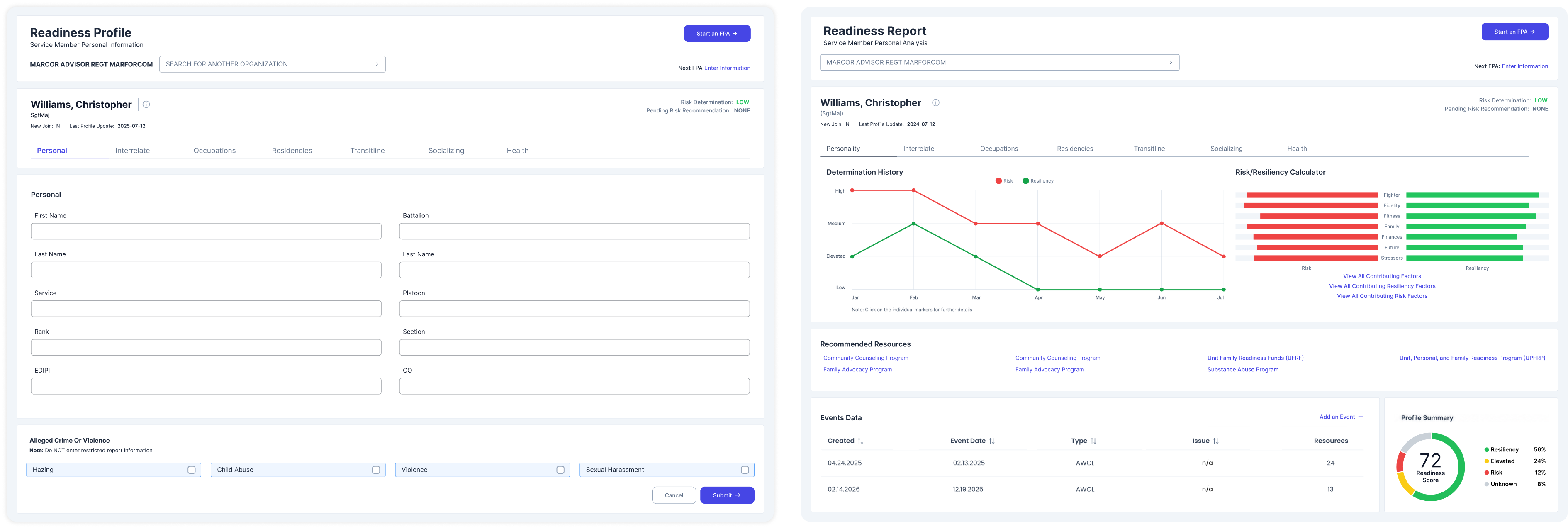
Design Scalability
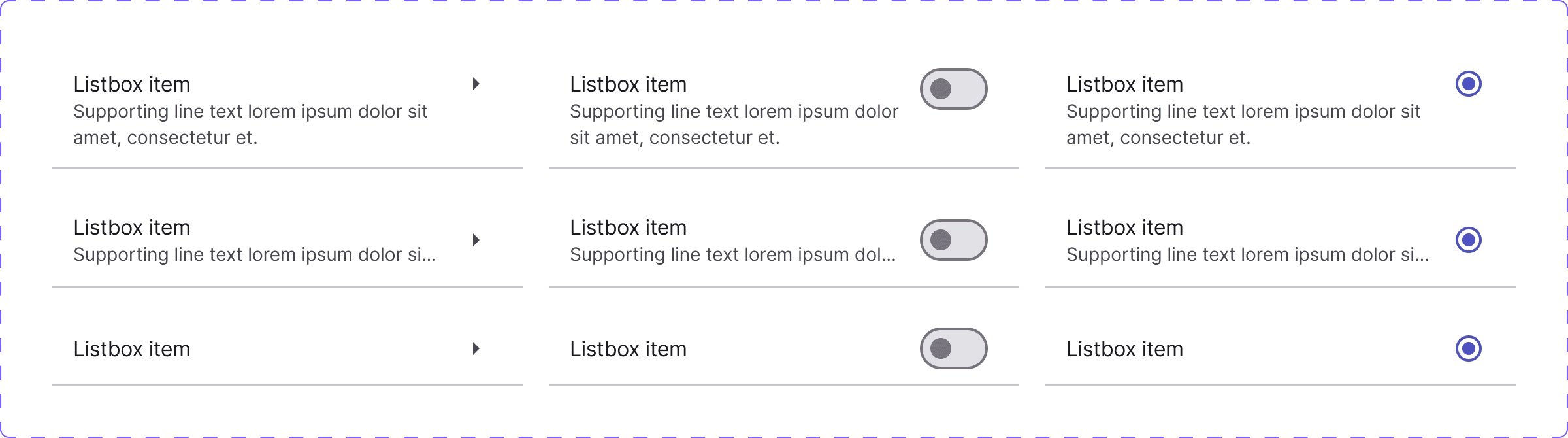
Reusable components make dashboards, forms, and tables simple to design, prototype, and build.
Process Scalability
Component library instances scale to the structure grid and make consistent decision-making simple. After a short period of implementation, internally defined workflows, based on frameworks like Atomic Design, Tailwind, and 8-point grid usage, became second nature to several cross-functional teams.
Governance Scalability
Styling, consistency, future iteration, component replacements and updates are all managed under one system.
Production Scalability
Data propogation strategies became accessible in ways unimagined prior to the global iteration plan. New user-facing prototypes can now be created rapidly from tokens and styles shared by the kit and the git. Components became robust in features and pattern studies were defined in more detail, thanks to production time gained.
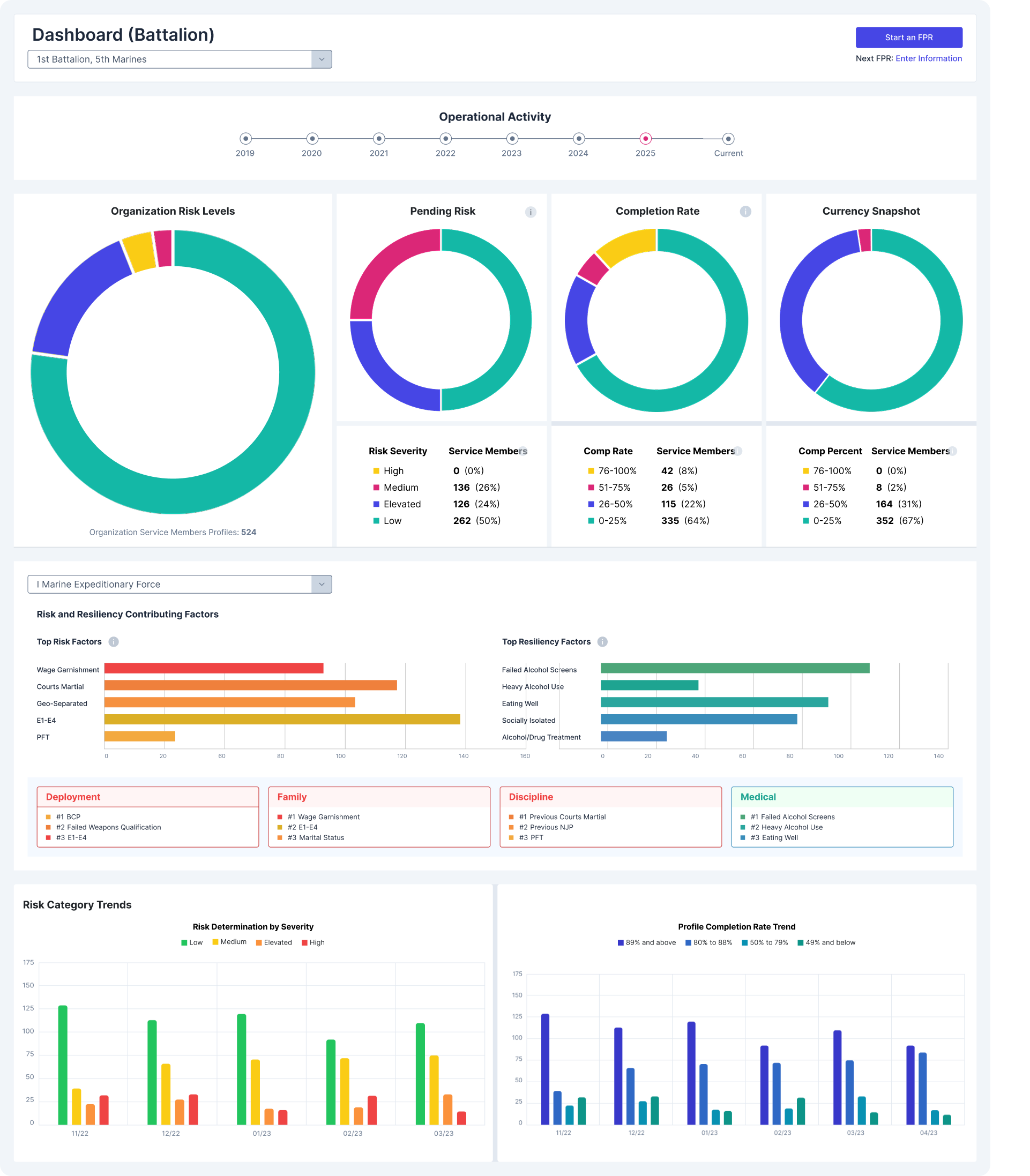
Product shifted from static interface to responsive system
Ushers new features and workflows in rapid succession
Enabled faster, more confident decision-making across user types
The foundation to scale or reposition the product with low friction
REFLECTING
The platform evolved from a fragmented interface into a structured, scalable system grounded in clear roles, defined data relationships, and consistent interaction patterns.
This shift enabled faster development, reduced ambiguity across teams, and improved usability across critical workflows. The increased clarity and efficiency not only improved user confidence but also played a direct role in securing an additional eight-figure contract.
I introduced the system and framework integration shortly after stepping into design leadership, making the case to stakeholders by tying it directly to efficiency and long-term ROI. Watching it evolve into a scalable, adaptable foundation with a clear identity and seeing what the product is capable of today has been a defining moment of the work.
Redefined the company’s approach to product development
Directly contributed to an additional eight-figure contract win
Reduced cognitive load across role-based workflows
Consolidated fragmented readiness signals into a unified system
Improved clarity and speed of personnel assessment
Established a scalable foundation for future capabilities
Part 2: Product Evolution Case Study
The shift in product strategy gave all service members and their families access to a client-facing portal to enroll and manage appointments, VA visits, shedule classes and wellness sessions, etc. The platform featured a new unified system for scheduling and data entry across nationwide installations (bases), as well as give the subject a self-service onboarding workflow.